Cette tuerie intervient dans un contexte d’escalade militaire. La veille du massacre, le site Makama faisait état d’une frappe aérienne nigériane ciblant des bases terroristes dans la région de Faskar. L’opération, menée dans le cadre de la campagne « Fansan Yanma » (« Sauver l’ouest » en haoussa), aurait neutralisé 27 combattants. Une réponse directe, semble-t-il, aux récentes attaques le long de l’axe routier Bakori-Guga.
Cette double actualité – frappe militaire suivie d’une riposte sanglante contre des civils – illustre la complexité et la férocité du conflit qui mine la région depuis 2009, avec l’émergence de Boko Haram. Malgré une lourde défaite infligée en 2015, le groupe et sa faction rivale affiliée à l’État Islamique continuent de mener une guerre asymétrique, étendant leur influence au Niger, au Tchad et au Cameroun.
L’ombre américaine se précise sur le théâtre nigérian
Dans ce paysage sécuritaire volatile, un acteur externe officialise discrètement son rôle. Le général Dagvin Anderson, chef de l’Africom (Commandement militaire américain pour l’Afrique), a confirmé à Reuters le déploiement d’un « petit contingent » militaire américain au Nigeria. Cette annonce acte le renforcement d’une coopération antiterroriste longtemps restée dans l’ombre.
« Cela contribue au renforcement de la coopération entre nos pays, notamment au déploiement d’une petite équipe américaine qui apporte des opportunités uniques », a déclaré le général, sans plus de détails. Les résultats de cette collaboration sont déjà tangibles : au cours du dernier mois, des frappes conjointes nigérano-américaines ont déjoué des attentats en préparation dans quatre États, dont Katsina.
Kimiebi Ebiemfa, porte-parole du ministère nigérian des Affaires étrangères, évoque une « interaction stratégique » fructueuse en matière de partage de renseignements. Un partenrage crucial pour Abuja, alors que le Nigeria se classe encore, en 2024, au sixième rang mondial pour le nombre d’attaques terroristes.
Alors que les opérations « Fansan Yanma » dans le nord-ouest et « Hadin Kai » dans le nord-est se poursuivent, la communauté internationale observe. La tragédie de Doma rappelle cruellement le prix payé par les civils, pris en étau entre la terreur des groupes armés et les opérations militaires. La confirmation de l’engagement boots-on-the-ground américain marque-t-elle un tournant décisif, ou une nouvelle étape dans un conflit sans fin ?
Nigeria: Doma Massacre Follows Counter-Terror Strikes as US Military Role is Confirmed
Terrorist violence has once again bloodied northern Nigeria. At least 20 civilians were gunned down in an attack targeting Doma village in Katsina State. According to a report by Arise News citing local authorities, a terrorist group sowed death and devastation, leaving an undetermined number wounded and forcing over a hundred residents to flee their homes for refuge in a nearby forest.
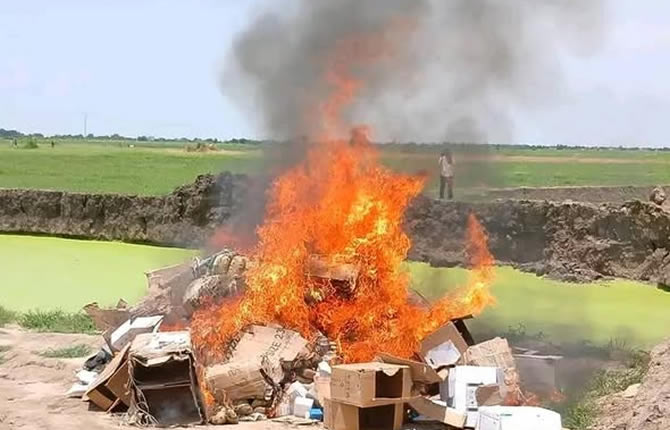
This massacre occurs amidst a military escalation. Just a day before the killings, the Makama site reported a Nigerian airstrike targeting terrorist bases in the Faskari area. The operation, part of the "Fansan Yanma" campaign ("Save the West" in Hausa), reportedly neutralized 27 fighters—a direct response, it seems, to recent attacks along the Bakori-Guga road.
This dual news—military strike followed by a bloody retaliation against civilians—highlights the complexity and ferocity of the conflict that has plagued the region since 2009 with the rise of Boko Haram. Despite a major defeat in 2015, the group and its rival faction affiliated with the Islamic State* continue to wage asymmetric warfare, extending their influence into Niger, Chad, and Cameroon.
The US Shadow Sharpens on the Nigerian Theater
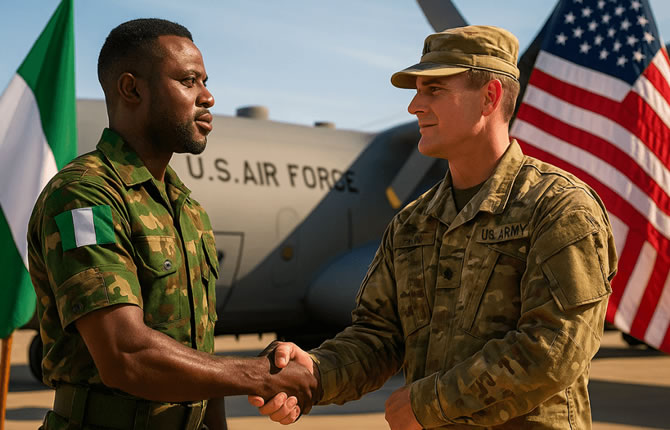
In this volatile security landscape, an external actor is quietly formalizing its role. General Dagvin Anderson, head of U.S. AFRICOM, confirmed to Reuters the deployment of a "small contingent" of U.S. military personnel to Nigeria. This announcement formalizes the strengthening of a counter-terrorism cooperation long kept in the shadows.
"This builds on our cooperation with Nigeria... and provides a small team of U.S. personnel that provide unique capabilities," the General stated, without further detail. The results of this collaboration are already tangible: over the past month, joint Nigerian-American strikes thwarted planned attacks in four states, including Katsina.
Kimiebi Ebiemfa, spokesperson for Nigeria's Foreign Ministry, cites fruitful "strategic interaction" in intelligence sharing—a crucial partnership for Abuja as Nigeria still ranks sixth globally for the number of terrorist attacks in 2024.
As the "Fansan Yanma" operation in the northwest and "Hadin Kai" in the northeast continue, the international community watches. The Doma tragedy is a cruel reminder of the price paid by civilians, caught between the terror of armed groups and military operations. Does the confirmation of a U.S. boots-on-the-ground presence mark a decisive turning point, or a new phase in an endless conflict?
Nigeria, attaque Doma, Katsina, terrorisme, Boko Haram, État Islamique Afrique de l'Ouest, opération Fansan Yanma, opération Hadin Kai, armée nigériane, frappe aérienne, contingent américain, Africom, coopération militaire, terrorisme Afrique de l'Ouest, civils tués, sécurité, Makama, Arise News
Moussa Nassourou