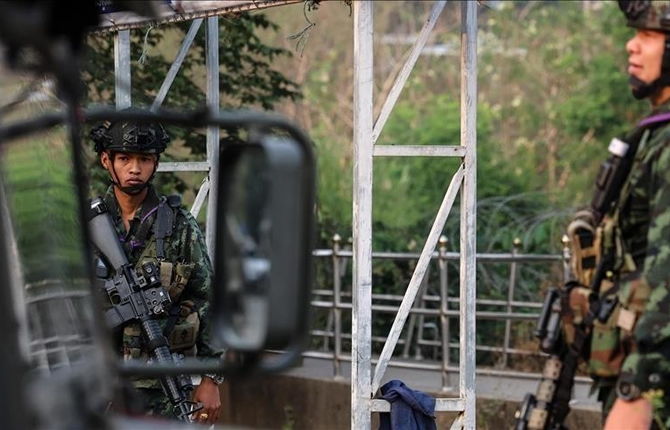
Ces déclarations, rapportées par le journal The Nation, font suite à deux jours de pourparlers (28-29 décembre) visant à prolonger une trêve initiale de 72 heures. Un répit précaire, obtenu après des affrontements meurtriers ayant éclaté le 7 décembre dernier. Le bilan, encore lourd dans les mémoires, est sanglant : 23 militaires thaïlandais tués, et du côté cambodgien, selon Phnom Penh, 31 civils morts et au moins 87 blessés sous les tirs d’artillerie et les frappes aériennes.
« Il convient d’éviter toute action susceptible de provoquer ou de créer des malentendus, car ces derniers peuvent compromettre le cessez-le-feu », a martelé le chef de la diplomatie thaïlandaise, insistant sur la nécessité d’utiliser les canaux diplomatiques pour désamorcer toute nouvelle étincelle. Un appel à la retenue qui révèle la volatilité extrême de la situation sur le terrain.
Derrière les déclarations de principe, la réunion du Yunnan dévoile un acteur clé de ce dossier explosif : la Chine. En se posant en médiateur entre les deux nations de l’ASEAN, Pékin affirme son rôle de puissance stabilisatrice régionale, tout en manœuvrant dans une zone d’influence traditionnelle. L’accord, bien que ténu, a été trouvé sous ses auspices par le Comité général des frontières Cambodge-Thaïlande (GBC).
Pour l’instant, les armes se sont tues. Mais la confiance, elle, est absente. La communauté internationale retient son souffle, observant si la diplomatie parviendra à consolider cette paix de papier, ou si le moindre incident frontaller ravivera les flammes d’un conflit aux racines anciennes et aux enjeux stratégiques brûlants.
conflit Thaïlande Cambodge, cessez-le-feu fragile, affrontements frontaliers, Sihasak Phuangketkeow, réunion Yunnan Chine, médiation Chine ASEAN, tensions frontalières Asie, Comité général des frontières GBC, victimes civiles Cambodge, militaires thaïlandais tués, diplomatie crise, actualité internationale
Thailand-Cambodia Border: A Tense Ceasefire, Beijing as Arbitrator
The noose tightens around a burning Asian border. As China has just hosted a crucial tripartite meeting in the relative secrecy of its Yunnan province, the shadow of a resumption of fighting still looms over the demarcation line between Thailand and Cambodia. Thai Foreign Minister Sihasak Phuangketkeow admitted it bluntly: the ceasefire reached on December 27 remains "fragile" and must be "made stable."
These statements, reported by The Nation newspaper, follow two days of talks (December 28-29) aimed at extending an initial 72-hour truce. A precarious respite, reached after deadly clashes erupted on December 7. The toll, still heavy in memories, is bloody: 23 Thai soldiers killed, and on the Cambodian side, according to Phnom Penh, 31 civilians dead and at least 87 wounded under artillery fire and airstrikes.
"Any action that could provoke or create misunderstandings should be avoided, as these can compromise the ceasefire," stressed the head of Thai diplomacy, insisting on the need to use diplomatic channels to defuse any new spark. A call for restraint that reveals the extreme volatility of the situation on the ground.
Behind the statements of principle, the Yunnan meeting reveals a key player in this explosive dossier: China. By positioning itself as a mediator between the two ASEAN nations, Beijing asserts its role as a regional stabilizing power, while maneuvering in a traditional zone of influence. The agreement, although tenuous, was reached under its auspices by the General Border Committee (GBC).
For now, the guns have fallen silent. But trust is absent. The international community is holding its breath, watching whether diplomacy will manage to consolidate this paper peace, or whether the slightest border incident will rekindle the flames of a conflict with deep roots and burning strategic stakes.
Thailand Cambodia conflict, fragile ceasefire, border clashes, Sihasak Phuangketkeow, Yunnan meeting China, China ASEAN mediation, Asia border tensions, General Border Committee GBC, Cambodian civilian casualties, Thai soldiers killed, crisis diplomacy, internati
Mouahna Divine