
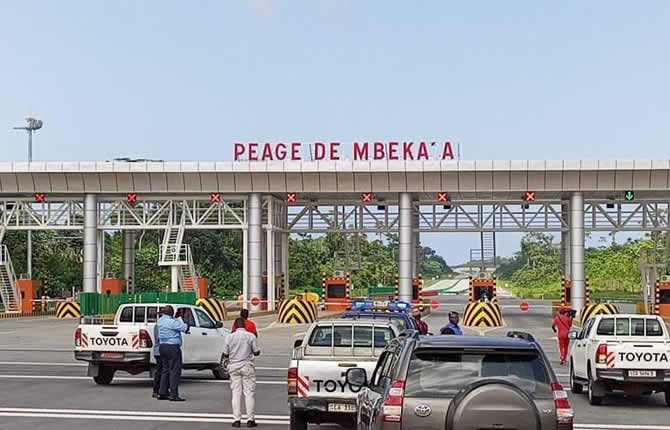
Le dossier est lourd d'ambiguïtés et d'échecs cuisants. Lancé avec des ambitions de modernisation, le projet prévoyait des travaux estimés entre 36 et 42 milliards de FCFA sur une durée de deux ans. Pourtant, à ce jour, seuls sept ouvrages ont été construits. Et le plus consternant, selon les révélations troublantes, est qu'aucun de ces péages automatiques n'a jamais été mis en service. Des infrastructures neuves, potentiellement obsolètes, dont l'avenir est désormais plus qu'incertain, jonchent le territoire sans avoir jamais servi.
Cette indemnisation record pose une série de questions brûlantes. Pourquoi un tel échec après un investissement déjà substantiel ? Qui est responsable de l'arrêt du projet et des éventuels manquements ? Les clauses contractuelles justifient-elles une indemnisation de 30 milliards, alors que le service n'a jamais été rendu aux usagers ? Cette situation met en lumière les risques et les dérives potentiels des PPP lorsqu'ils ne sont pas encadrés par une supervision rigoureuse et une transparence absolue.
Au-delà du choc des chiffres, ce scandale des péages automatiques érode un peu plus la confiance dans la capacité de l'État à mener à bien des projets structurants. Il soulève un impératif de redevabilité et d'explications claires envers les citoyens, qui voient 30 milliards s'envoler pour un projet inabouti, dans un contexte économique national déjà marqué par d'importantes contraintes budgétaires. L'affaire Tollcam est plus qu'un simple contentieux contractuel ; elle est un test de gouvernance économique.
Automatic Tolls: A 30 Billion CFA Franc Scandal Embarrasses the Cameroonian State
The information, revealed on local press, is enough to scandalize taxpayers and observers of economic life: the Cameroonian state is reportedly preparing to pay the hefty sum of 30 billion CFA francs to compensate the company Tollcam, following the unilateral termination of a flagship public-private partnership (PPP) contract. This project, involving the automation of 14 road tolls across the country, is turning into a financial fiasco and raises questions about the management of public funds and the effectiveness of major contracts.
The dossier is fraught with ambiguities and bitter failures. Launched with modernization ambitions, the project planned for work estimated between 36 and 42 billion CFA francs over two years. Yet, to date, only seven structures have been built. And most staggering, according to press's revelations, is that none of these automatic tolls has ever been operational. New, potentially obsolete infrastructure, whose future is now more than uncertain, dots the landscape without ever having been used.
This record compensation raises a series of burning questions. Why such a failure after substantial investment? Who is responsible for halting the project and for any potential shortcomings? Do the contractual clauses justify compensation of 30 billion, when the service was never delivered to users? This situation highlights the risks and potential pitfalls of PPPs when they are not framed by rigorous supervision and absolute transparency.
Beyond the shock of the figures, this automatic toll scandal further erodes trust in the state's ability to carry out major projects. It raises an imperative for accountability and clear explanations to citizens, who see 30 billion vanish for an unfinished project, in a national economic context already marked by significant budgetary constraints. The Tollcam affair is more than a mere contractual dispute; it is a test of economic governance.
Scandale péages Cameroun, Tollcam, indemnisation 30 milliards, péages automatiques Cameroun, partenariat public-privé Cameroun, PPP Cameroun, résiliation contrat Tollcam, infrastructures routières Cameroun, gestion des finances publiques, argent public, échec projet autoroutier, modernisation péages, contentieux État entreprises, transparence contrats publics.
Mouahna Divine
Le calendrier complet de la Can Féminine 2026
Suivez certains matchs en direct grâce à nos partenaires
Articles similaires
 Société
Nuit noire sur l’Iran ? Washington étudie une reprise des frappes le 9 novembre sous la nouvelle lune
Fox News révèle : les États-Unis envisagent de relancer les hostilités contre l’Iran dès le 9...
 Société
Insécurité industrielle : Metafrique Steel, l'usine qui défie l'État
Cinq morts, trois blessés toujours sous oxygène. L'explosion de Metafrique Steel n'est pas un...
 Société
PlaYce Yaoundé booste son capital de 2,19 milliards pendant que le gouvernement lâche 5,5 milliards pour 20 000 jeunes du secteur informel
PlaYce Cameroun passe de 15 à 17,3 milliards de capital et CFAO vise Douala. En parallèle, Alamine...
 Société
Contournement de Yaoundé : Biya signe, mais les 129 milliards de FCFA ne sont pas encore dans les caisses
Décret du 5 novembre : 129,1 milliards de FCFA pour la rocade de Yaoundé (T3). Édéa-Douala : 174,6...
 Société
Marchés publics au Cameroun : 99 entreprises sanctionnées, les abandons de chantiers inquiètent
Marchés publics au Cameroun : 65 entreprises exclues pour fraude en 2025 et 99 marchés résiliés....
 Société
Fonds routier : Paul Biya nomme William Azebaze Jiofack DG – le rebond économique et le bras de fer du Port de Douala sous le feu des projecteurs
Paul Biya nomme William Azebaze Jiofack à la tête du Fonds routier le 5 novembre 2026. Croissance...