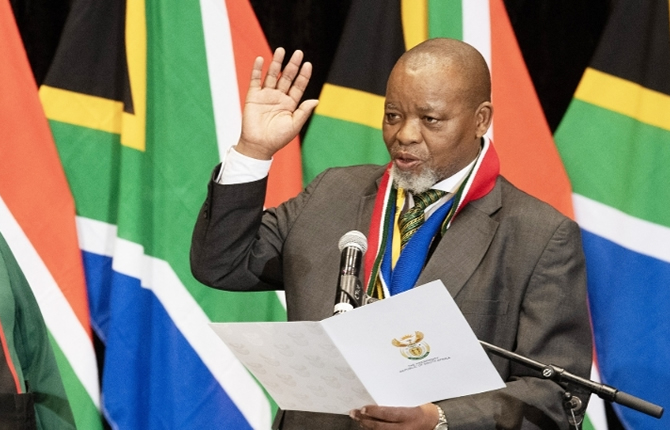
Dans une déclaration percutante relayée par Bloomberg, il a affirmé : "Nous n’avons pas besoin d’une stratégie de livraisons de minéraux critiques aux États-Unis. Nous avons besoin d’une stratégie pour tous."
Cette prise de position intervient alors que plusieurs entreprises minières sud-africaines proposaient au gouvernement d’accorder un accès préférentiel aux Américains. L’enjeu est de taille : le pays détient 88% des réserves mondiales de platine, 80% de manganèse et 72% de chrome, des ressources indispensables à la transition énergétique et aux technologies de pointe.
Réforme foncière : vers une révolution agraire ?
Dans un autre registre, un amendement constitutionnel explosif a été déposé au Parlement sud-africain. Porté par l’opposition (MK, parti de l’ancien président Jacob Zuma), ce texte propose l’expropriation des terres sans compensation et leur transfert aux chefs tribaux. "En restituant toutes les terres à l’État, nous réparons l’injustice historique", a déclaré Mzwanele Manyi, l’un des initiateurs du projet.
Actuellement, 70% des terres agricoles sont aux mains des fermiers blancs, héritage des dépossessions coloniales. Une situation qui alimente les tensions depuis des décennies. En janvier 2025, le président Cyril Ramaphosa a promulgué une loi autorisant les expropriations "dans l’intérêt public", mais avec compensation. Une mesure déjà contestée par l’administration Trump, qui soutient ouvertement les agriculteurs blancs et pousse Pretoria à revoir sa copie.
Le débat national est lancé. Prochaine étape : un vote à l’Assemblée nationale, où le texte devra recueillir une majorité des deux tiers.
South Africa: Gwede Mantashe Rejects US Demands on Rare Earths as Explosive Land Reform Bill Shakes the Nation
South Africa’s Minister of Energy and Mineral Resources, Gwede Mantashe, has firmly rejected any privileged cooperation with the United States regarding rare earth minerals and critical resources. In a bold statement reported by Bloomberg, he declared: "We don’t need a strategy to deliver critical minerals to the US. We need a strategy for everyone."
This stance comes as several South African mining companies had proposed granting preferential access to American buyers. The stakes are high: the country holds 88% of the world’s platinum reserves, 80% of manganese, and 72% of chromium—key resources for green energy and advanced technologies.
Land Reform: A Radical Overhaul?
Meanwhile, a controversial constitutional amendment has been tabled in Parliament. Proposed by the opposition (MK party, led by former President Jacob Zuma), the bill seeks land expropriation without compensation, transferring ownership to tribal chiefs. "By returning all land to the state, we correct the historic injustice", said Mzwanele Manyi, one of the drafters.
Currently, 70% of farmland is owned by white farmers, a legacy of colonial-era dispossessions. In January 2025, President Cyril Ramaphosa signed a law allowing expropriation "for public interest"—but with compensation. A move already opposed by the Trump administration, which backs white farmers and pressures Pretoria to amend the law.
A national debate is underway. Next step: a parliamentary vote requiring a two-thirds majority.
Afrique du Sud, Gwede Mantashe, terres rares, minéraux critiques, États-Unis, réforme foncière, expropriation sans compensation, Jacob Zuma, MK Party, Cyril Ramaphosa, fermiers blancs, Trump, ressources minières, platine, manganèse, chrome, chefs tribaux, injustice historique, débat national, loi foncière.
Didier Cebas K.