
Les États-Unis et l’Iran vont-ils enfin se parler sérieusement ? Donald Trump vient de lâcher le scoop : un nouveau cycle de négociations est prévu la semaine prochaine. Dans un entretien accordé au site américain Axios, le président américain n’a pas mâché ses mots.
« Je m’attends à ce que de nouvelles négociations avec l’Iran aient lieu [la semaine prochaine]. Ils veulent conclure un accord, mais ce n’est pas celui que je suis prêt à accepter. C’est ce que nous aurions peut-être accepté il y a un an. Ils ont surestimé leurs capacités », a déclaré le locataire de la Maison-Blanche.
Derrière les déclarations, la diplomatie discrète bat son plein. Les médiateurs qataris mènent une véritable « diplomatie de navette » pour rapprocher Washington et Téhéran. Dimanche 28 septembre, ils tiendront des rencontres séparées avec le ministre iranien des Affaires étrangères, Abbas Araghtchi, et l’émissaire spécial américain Steve Witkoff. Personne ne sait encore si les deux camps réussiront à combler le fossé qui les sépare.
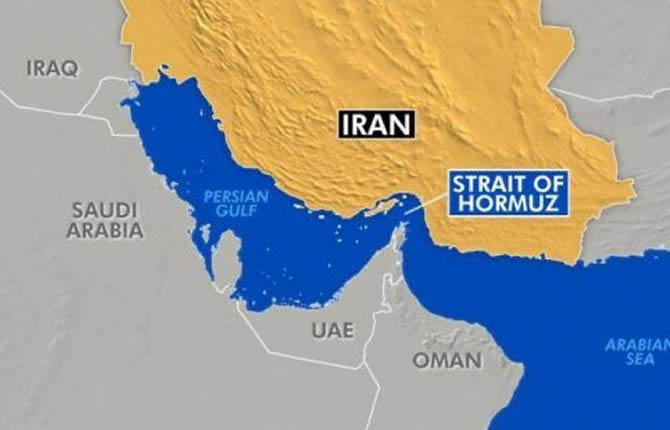
Pendant ce temps, le détroit d’Ormuz reste sous haute tension. Environ 13 millions de barils de pétrole y transitent chaque jour, a rappelé le secrétaire américain à l’Énergie, Chris Wright, sur Fox News. « Un jour de la semaine dernière, plus de 20 millions de barils ont traversé le détroit, soit davantage qu’avant le conflit. La moyenne s’établit aujourd’hui à près de 13 millions de barils par jour », a-t-il précisé, soulignant le rôle de l’armée américaine dans la sécurisation de ces flux vitaux (pétrole, gaz, produits pétroliers et même engrais).
Côté iranien, Téhéran a tenté une ouverture. Le ministre Abbas Araghtchi a indiqué que son pays avait transmis, via le Qatar, un plan de sept jours pour rétablir pleinement la navigation dans le détroit d’Ormuz. Un plan qui, selon lui, reprenait des points déjà présents dans un mémorandum d’entente antérieur.
Mais Washington a dit non. Le représentant permanent des États-Unis auprès de l’ONU, Mike Waltz, a confirmé que Donald Trump avait rejeté cette proposition, notamment par manque de confiance. « C’est en partie le cas. Ils ont violé l’accord précédent », a-t-il déclaré à Fox News. Interrogé sur une éventuelle reprise d’opérations militaires à grande échelle, le diplomate a éludé : « Je ne vais pas devancer le président. »
Entre déclarations musclées, médiation qatarie et pétrole qui continue de couler, la partie de poker entre Washington et Téhéran entre dans une nouvelle phase. La semaine prochaine dira si les paroles se transforment enfin en avancées concrètes… ou si le bras de fer se prolonge.
Will the United States and Iran finally hold serious talks? Donald Trump has just dropped the news: a new round of negotiations is expected next week. In an interview with the American outlet Axios, the U.S. president did not mince his words.
“I expect new negotiations with Iran to take place [next week]. They want to reach a deal, but it’s not one I’m prepared to accept. It’s what we might have accepted a year ago. They overestimated their capabilities,” the White House occupant declared.
Behind the statements, quiet diplomacy is in full swing. Qatari mediators are conducting intense “shuttle diplomacy” to bring Washington and Tehran closer. On Sunday, September 28, they will hold separate meetings with Iranian Foreign Minister Abbas Araghtchi and U.S. special envoy Steve Witkoff. It remains unclear whether the two sides will manage to bridge their differences.
Meanwhile, the Strait of Hormuz remains under high tension. Around 13 million barrels of oil transit through it daily, U.S. Energy Secretary Chris Wright told Fox News. “One day last week, more than 20 million barrels crossed the strait — more than before the conflict. The average now stands at nearly 13 million barrels per day,” he said, highlighting the role of the U.S. military in securing these vital flows (oil, gas, petroleum products and even fertilizers).
On the Iranian side, Tehran made an opening. Foreign Minister Abbas Araghtchi stated that his country had submitted, via Qatar, a seven-day plan to fully restore navigation through the Strait of Hormuz. According to him, the plan’s provisions were not new and already appeared in a previous memorandum of understanding.
Washington rejected it. U.S. Permanent Representative to the United Nations Mike Waltz confirmed that Donald Trump turned down the proposal, largely due to a lack of trust. “That’s partly the case. They violated the previous agreement,” he told Fox News. Asked about the possibility of large-scale military operations against Iran in the near future, the diplomat deflected: “I’m not going to get ahead of the president.”
Between tough rhetoric, Qatari mediation and oil that continues to flow, the high-stakes poker game between Washington and Tehran is entering a new phase. Next week will show whether words finally turn into concrete progress… or whether the standoff drags on.
négociations États-Unis Iran, Donald Trump Iran, détroit d’Ormuz, pétrole Ormuz, Abbas Araghtchi, Steve Witkoff, médiation Qatar, plan iranien navigation, Mike Waltz ONU, Chris Wright énergie, tensions Golfe Persique, diplomatie américaine Iran
Moussa Nassourou
Le calendrier complet de la Can Féminine 2026
Suivez certains matchs en direct grâce à nos partenaires
Articles similaires
 Société
"Je n'exclus rien" : Macron ouvre la porte à un retour surprise à l'Élysée après 2027
Emmanuel Macron brise le silence sur son après-présidence : dans une interview à Variety, il...
 Société
Trump face aux médias : quatre grandes chaînes américaines reprennent la couverture de la Maison-Blanche
ABC, CBS, Fox News et NBC vont reprendre la couverture de Donald Trump. En parallèle, Washington et...
 Société
Alerte maximale à Fairford : Scotland Yard prend les rênes d'une enquête explosive aux portes d'une base stratégique américaine
Panique à Welford : Scotland Yard dirigée par les services antiterroristes enquête sur des...
 Société
Suisse : le « non » massif à l’initiative sur la neutralité ne remet pas en cause la neutralité du pays, assure Ignazio Cassis
Suisse : 70,15 % des électeurs ont rejeté l’initiative sur la neutralité. Ignazio Cassis assure que...
 Société
Grands travaux dans l'Adamaoua, le Nord et l'Extrême-Nord : les Chinois prennent 306 milliards, les Camerounais regardent
Découvrez comment les entreprises chinoises ont décroché 306 milliards de FCFA de marchés routiers...
 Société
Pétrole et gaz : le Cameroun via la SNH s'invite au sommet énergétique africain avec ses cartes maîtresses
Partenaire Platine de l'African Energy Week 2026, la SNH mise sur la raffinerie de Kribi et le...