
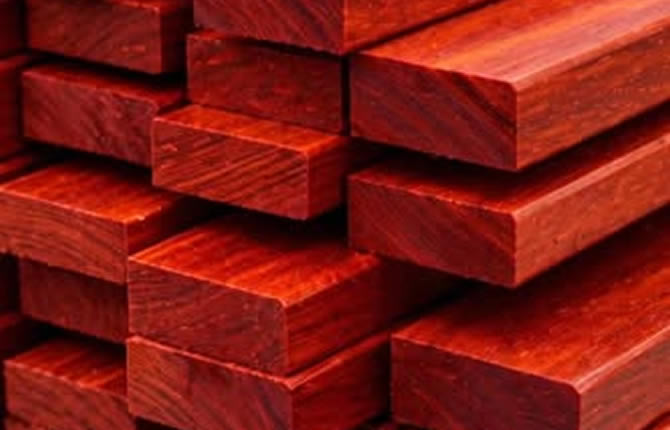
Cameroun : Sefeccam installe à Douala les premiers fours ThermoWood d’Afrique pour transformer le fraké sur place
Douala s’apprête à franchir un pas industriel important dans la filière bois. La Société d’exploitation forestière et commerciale du Cameroun (Sefeccam) va accueillir sur son site trois fours industriels destinés à la modification thermique du fraké. Ce projet, annoncé le 17 septembre 2026 par le groupe belge Lemahieu Group, maison mère de LDCwood, s’inscrit dans un partenariat avec le producteur LDCwood et le négociant RTT Houtimport.
Jusqu’ici, une grande partie du fraké camerounais était sciée localement puis expédiée en Europe pour y subir le traitement thermique. Désormais, cette étape cruciale va se dérouler à Douala. Les trois fours, fournis par le fabricant finlandais Jartek, permettront de scier, traiter thermiquement et commercialiser le bois sous la nouvelle marque SanghaWood. LDCwood se chargera de la distribution auprès des importateurs, distributeurs et agents internationaux.
Le montant de l’investissement, la capacité exacte des fours et la date de démarrage de la production n’ont pas encore été communiqués. Selon le média professionnel Houtwereld, le projet en est encore au stade d’un accord de coopération, sans calendrier précis rendu public.
Une transformation qui change la donne
La modification thermique consiste à soumettre le bois à de fortes températures en présence de vapeur, sans aucun produit chimique. Pour le fraké classé Thermo-D, le manuel 2025 de l’International ThermoWood Association fixe une température de référence de 212 °C (tolérance de -2 °C à +5 °C). Ce traitement améliore nettement la stabilité dimensionnelle du bois, sa résistance à l’humidité et sa durabilité face à la dégradation biologique.
Résultat : le fraké traité peut être destiné à des usages à plus forte valeur ajoutée – bardages, terrasses, menuiseries ou aménagements intérieurs – au lieu d’être exporté uniquement sous forme de sciages bruts.
Lemahieu Group présente le futur site de Douala comme la première unité africaine de production de ThermoWood. Précision importante : ThermoWood est une marque déposée appartenant à l’International ThermoWood Association. D’autres procédés de modification thermique existent déjà sur le continent, notamment en Afrique du Sud, mais l’appellation ThermoWood reste strictement réservée aux entreprises autorisées.
Un signal fort pour la transformation locale
Ce projet arrive à un moment où le Cameroun cherche à remonter dans la chaîne de valeur du bois. Selon les données de l’Institut national de la statistique citées en avril par Investir au Cameroun, les sciages ont représenté en 2025 le principal produit forestier exporté avec 157,6 milliards de FCFA de recettes. Pourtant, leurs volumes ont reculé par rapport aux années précédentes, tout comme les exportations de grumes. Les produits issus de transformations plus poussées restent encore minoritaires.
Sefeccam dispose déjà d’activités de sciage, séchage et rabotage. L’entreprise gère 499 433 hectares de superficies forestières et détient notamment des certifications de chaîne de contrôle PEFC. L’arrivée des fours ThermoWood ajoute donc une opération industrielle supplémentaire avant l’exportation.
Pour l’instant, l’impact économique exact reste difficile à quantifier. Ni le volume de fraké qui sera traité localement, ni le nombre d’emplois supplémentaires créés n’ont été rendus publics. Mais le signal est clair : une part plus importante de la valeur ajoutée peut désormais rester au Cameroun.
Dans un secteur où la concurrence internationale est rude et où la pression pour une transformation locale s’intensifie, l’installation de ces trois fours à Douala marque une étape concrète. Reste maintenant à voir si le projet passera rapidement du stade d’accord de coopération à une production effective.
Cameroon: Sefeccam to Install Africa’s First ThermoWood Kilns in Douala to Process Fraké Locally
Douala is set to take a significant industrial step in the timber sector. The Société d’exploitation forestière et commerciale du Cameroun (Sefeccam) will host three industrial kilns on its site for the thermal modification of fraké wood. The project, announced on 17 September 2026 by Belgian group Lemahieu Group, parent company of LDCwood, is part of a partnership with producer LDCwood and trader RTT Houtimport.
Until now, much of Cameroon’s fraké was sawn locally and then shipped to Europe for thermal treatment. That key stage will now take place in Douala. The three kilns, supplied by Finnish manufacturer Jartek, will allow the wood to be sawn, thermally modified and marketed under the new brand SanghaWood. LDCwood will handle distribution to importers, distributors and agents worldwide.
The investment amount, the exact capacity of the kilns and the planned start date for production have not yet been disclosed. According to the professional media outlet Houtwereld, the project remains at the cooperation agreement stage, with no precise timeline made public.
A transformation that adds real value
Thermal modification involves subjecting the wood to high temperatures in the presence of steam, without any chemical additives. For fraké classified as Thermo-D, the 2025 handbook of the International ThermoWood Association sets a reference treatment temperature of 212 °C (tolerance of -2 °C to +5 °C). The process significantly improves the wood’s dimensional stability, moisture resistance and durability against biological degradation.
As a result, the treated fraké can be used for higher-value applications such as cladding, decking, joinery or interior fittings, rather than being exported solely as rough-sawn timber.
Lemahieu Group describes the future Douala site as Africa’s first ThermoWood production unit. An important clarification: ThermoWood is a registered trademark owned by the International ThermoWood Association. Other thermal modification processes already exist on the continent, notably in South Africa, but the ThermoWood name is strictly reserved for authorised companies.
A clear signal for local processing
The project comes at a time when Cameroon is seeking to move up the timber value chain. According to National Institute of Statistics data cited in April by Investir au Cameroun, sawn timber remained the main forest product exported in 2025, generating 157.6 billion FCFA in revenue. However, volumes declined compared with previous years, as did log exports. Products from deeper processing remain relatively limited.
Sefeccam already operates sawing, drying and planing activities. The company manages 499,433 hectares of forest areas and holds certifications including PEFC chain of custody. The arrival of the ThermoWood kilns therefore adds a further industrial step before export.
For now, the exact economic impact is difficult to measure. Neither the volume of fraké that will be treated locally nor the number of additional jobs expected has been made public. But the signal is clear: a greater share of the value added can now remain in Cameroon.
In a sector facing tough international competition and growing pressure for local processing, the installation of these three kilns in Douala represents a concrete step forward. The key question now is how quickly the project will move from cooperation agreement to actual production.
Mouahna Divine
Le calendrier complet de la Can Féminine 2026
Suivez certains matchs en direct grâce à nos partenaires
Articles similaires
 Société
Cameroun : 5 971 agents publics voient leurs salaires de septembre et octobre bloqués dans le circuit habituel
Cameroun : Louis Paul Motazé ordonne le transfert des salaires de 5 971 agents vers la Trésorerie...
 Société
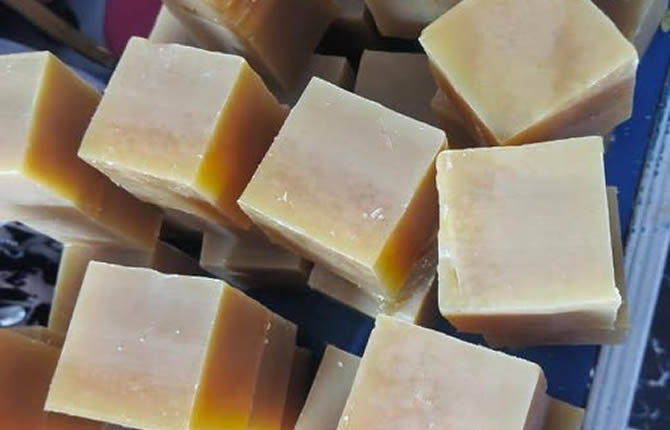
Exportations : le Savon local, détrône le caoutchouc brut. Ce qui inquiète
Le savon de ménage camerounais grimpe au 9e rang des exportations en 2025, avec 74 208 tonnes...
 Société
Ecobank Cameroun : 22,494 milliards de FCFA de bénéfice en 8 mois, la machine ne s'arrête plus
Ecobank Cameroun explose les compteurs : 22,494 milliards de FCFA de bénéfice en seulement 8 mois...
 Société
Palais de l’Unité à Yaoundé : un officier de 29 ans arrêté après avoir dit vouloir « prendre le pouvoir »
Un officier de 29 ans a été interpellé au palais de l’Unité à Yaoundé après des propos évoquant une...
 Société
France : 54 milliards d’euros d’économies en 2027, Lecornu serre la vis sans augmenter les impôts
La France vise 54 milliards d’euros d’économies en 2027. Salaires, prestations, collectivités et...
 Société
Allemagne : Merz déclare la fin de « l’amitié inconditionnelle » avec les États-Unis – « Il est grand temps de prendre nos responsabilités »
Le chancelier allemand Friedrich Merz annonce un tournant historique : l’ère de l’amitié...