

La crise politique malgache a pris une nouvelle dimension, mercredi, avec une allocution choc du président Andry Rajoelina. Face à la nation, le chef de l'État a jeté un pavé dans la mare : les manifestations de jeunes, parties de colères contre les coupures d'électricité, ne seraient rien de moins qu'une tentative de "coup d'État" fomentée de l'étranger.
Dans une déclaration publiée sur sa page Facebook, le président élu a affirmé sans ambages que ces mouvements "visent à provoquer un coup d’État". Il a levé le voile sur ce qu'il présente comme une machination : "Les actions de ceux qui cherchent à me renverser, président démocratiquement élu, sont financées par certains pays et organisations". Une accusation grave qui place la crise malgache sur l'échiquier géopolitique.
De la colère sociale à la revendication politique : l'irrésistible ascension de la Génération Z
Tout a commencé le 25 septembre. Une jeunesse, se réclamant de la "Génération Z", est descendue dans les rues pour protester contre les pénuries récurrentes d'électricité et d'eau, un fléau qui paralyse la vie quotidienne et l'économie. Rapidement, la contestation a viré à l'affrontement. Les rues ont été le théâtre d'émeutes, de pillages et de heurts violents avec les forces de l'ordre.
La colère, purement sociale à l'origine, s'est politisée en un temps record. Les revendications ont évolué, exigeant désormais la démission pure et simple du gouvernement et du président lui-même. Le mouvement s'est structuré avec l'annonce, le 2 octobre, de la création d'un "Comité de coordination de la lutte" (KMT), transformant une révolte juvénile en une force d'opposition organisée.
Rajoelina : la fermeté et la manœuvre
Face à la tempête, Andry Rajoelina a répondu par un double mouvement. D'abord, la fermeté. Il a confirmé qu'il ne "céderait pas à la pression" et ne quitterait pas son poste, ordonnant aux forces de l'ordre de "protecter l'ordre constitutionnel". Ensuite, la manœuvre politique : le 29 septembre, il a annoncé la dissolution du gouvernement et promis la formation d'une nouvelle équipe "patriote", ouverte "à tous les Malgaches" compétents et intègres.
Une ouverture perçue comme un coup d'épée dans l'eau par l'opposition. La plateforme Firaisankina, dirigée par l'ancien président Marc Ravalomanana, a en effet choisi de boycotter les débats parlementaires pour rejoindre la rue, durcissant significativement la position anti-Rajoelina.
La rue toujours sous tension
Sur le terrain, la situation reste explosive. Ce jeudi, les forces de sécurité ont de nouveau fait usage de gaz lacrymogène pour repousser des jeunes tentant de marcher sur le centre d'Antananarivo. L'état-major mixte (Emmo-Nat) affirme contrôler les points stratégiques pour "prévenir les pillages".
Le pays est à la croisée des chemins. D'un côté, un président qui campe sur ses positions, dénonce un complot étranger et joue la carte du dialogue sans céder sur l'essentiel. De l'autre, une jeunesse déterminée, désormais épaulée par l'opposition traditionnelle, qui ne compte plus se contenter de promesses. Le spectre de l'instabilité plane sur la Grande Île.
Crisis in Madagascar: Rajoelina Denounces Foreign-Funded "Coup Attempt" as Gen Z and Opposition Ramp Up Pressure
The Malagasy president accuses "dark forces" and certain countries of financing the unrest. Despite the government's dissolution, the youth's anger, now joined by the opposition, remains strong, and the streets of Antananarivo once again reek of tear gas.
The political crisis in Madagascar took a new turn on Wednesday with a shocking address by President Andry Rajoelina. Speaking to the nation, the head of state dropped a bombshell: the youth protests, which started as anger over power cuts, are nothing less than an attempted "coup d'état" orchestrated from abroad.
In a statement posted on his Facebook page, the elected president bluntly stated that these movements "aim to provoke a coup d'état." He unveiled what he presented as a plot: "The actions of those who seek to overthrow me, a democratically elected president, are financed by certain countries and organizations." A serious accusation that places the Malagasy crisis on the geopolitical chessboard.
From Social Anger to Political Demands: The Irresistible Rise of Generation Z
It all started on September 25th. Young people, identifying as "Generation Z," took to the streets to protest against recurrent power and water shortages, a scourge that paralyzes daily life and the economy. Quickly, the protest turned into confrontation. The streets became the scene of riots, looting, and violent clashes with security forces.
The anger, purely social in origin, became politicized in record time. The demands evolved, now calling for the outright resignation of the government and the president himself. The movement became structured with the announcement, on October 2nd, of the creation of a "Struggle Coordination Committee" (KMT), transforming a juvenile revolt into an organized opposition force.
Rajoelina: Firmness and Maneuvering
Facing the storm, Andry Rajoelina responded with a dual strategy. First, firmness. He confirmed he would not "yield to pressure" and would not leave his post, ordering security forces to "protect the constitutional order." Second, political maneuvering: on September 29th, he announced the dissolution of the government and promised to form a new "patriotic" team, open to "all Malagasy" who are competent and honest.
An overture perceived as futile by the opposition. The Firaisankina platform, led by former President Marc Ravalomanana, chose to boycott parliamentary debates to join the street protests, significantly hardening the anti-Rajoelina stance.
The Streets Remain Tense
On the ground, the situation remains explosive. This Thursday, security forces again used tear gas to repel young people trying to march toward the center of Antananarivo. The joint staff (Emmo-Nat) claims to control strategic points to "prevent looting."
The country is at a crossroads. On one side, a president who stands his ground, denounces a foreign conspiracy, and offers dialogue without conceding on essentials. On the other, a determined youth, now backed by the traditional opposition, which no longer intends to settle for promises. The specter of instability looms over the Great Island.
Madagascar, Andry Rajoelina, crise politique Madagascar, manifestations Madagascar, Génération Z Madagascar, coup d'État Madagascar, opposition Madagascar, Firaisankina, Marc Ravalomanana, Comité de coordination de la lutte, KMT, coupures d'électricité Madagascar, gaz lacrymogène Antananarivo, État-major mixte opérationnel national, Emmo-Nat, dissolution gouvernement Madagascar, président Madagascar, politique Madagascar, actualités Afrique, instabilité politique
Didier Cebas K.
Le calendrier complet de la Can Féminine 2026
Suivez certains matchs en direct grâce à nos partenaires
Articles similaires
 Société
Menace sur l’Europe : après les avions, ils visent métros, trains et croisières, la télévision irlandaise évacuée
Un courriel intitulé « Message à l’Occident » menace l’Europe d’une nouvelle vague d’attaques....
 Société
Nigeria : l’armée dément toute trêve avec Boko Haram et annonce une offensive renforcée
L’armée nigériane dément tout accord de trêve de trois mois avec Boko Haram, malgré les...
 Société
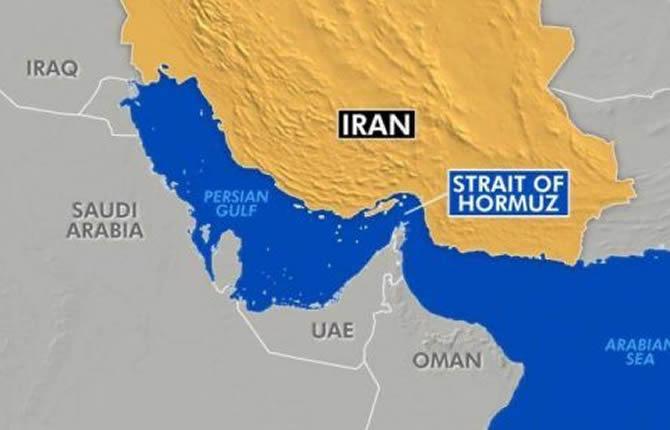
Iran abat un drone américain MQ-9 au-dessus de Qeshm : explosions, négociations floues et menaces de frappe US le 9 novembre
L’Iran revendique la destruction d’un drone US MQ-9 au-dessus de Qeshm. Trump parle encore avec...
 Société
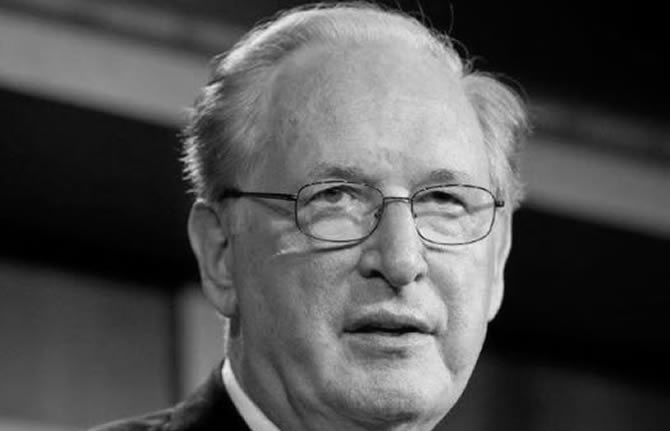
L’héritier Rockefeller s’éteint à 89 ans : le dernier géant d’une dynastie pétrolière qui a marqué l’Amérique
John D. Rockefeller IV, arrière-petit-fils du fondateur de Standard Oil et ancien sénateur...
 Société
Cameroun : 140,6 milliards de FCFA engloutis dans les entreprises, contre 15 milliards prévus au budget
Le Cameroun a ordonnancé 140,6 milliards de FCFA pour les entreprises en 2025, contre 15 milliards...
 Société
Nuit noire sur l’Iran ? Washington étudie une reprise des frappes le 9 novembre sous la nouvelle lune
Fox News révèle : les États-Unis envisagent de relancer les hostilités contre l’Iran dès le 9...