
Un Bilan Humain Catastrophique
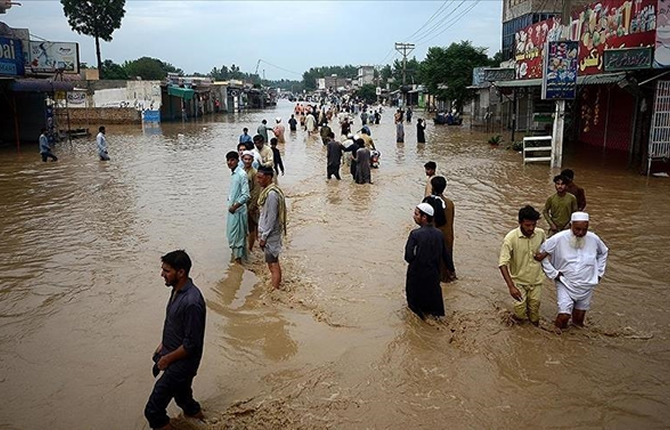
Le Bureau de coordination des affaires humanitaires de l'ONU (BCAH) dresse un tableau alarmant de la situation. Dans les régions du Khyber Pakhtunkhwa, du Gilgit-Baltistan et du Cachemire, les éléments se sont déchaînés : « 400 personnes sont mortes et plus de 190 ont été blessées » en seulement une décade. Un drame qui porte le bilan total de la mousson, qui s'étend de juin à septembre, à au moins 798 morts et plus de 1 000 blessés. Derrière ces chiffres glaçants, une réalité humaine : plus de 20 000 Pakistanais se retrouvent sans abri, livrés aux intempéries et dans un besoin urgent d'assistance.
L'ONU débloque les Premiers Secours
Face à l'ampleur des « destructions massives », l'urgence est vitale. Les survivants, souvent tout avoir perdu, réclament une aide d'urgence : eau potable, produits d'hygiène pour éviter les épidémies, soins médicaux et matériaux pour reconstruire. Réagissant à la crise, le sous-secrétaire général de l'ONU aux affaires humanitaires, Tom Fletcher, a débloqué une enveloppe initiale de 600 000 dollars. Une aide cruciale, mais qui pourrait ne être qu'un début face à l'immensité des besoins.
L'Insécurité qui s'ajoute au Drame
Dans cette même province du Khyber Pakhtunkhwa déjà ravagée par les eaux, la violence terroriste a une nouvelle fois frappé. Lundi, une attaque contre un poste de sécurité dans la région de Torawari a coûté la vie à trois militaires et fait 17 blessés. Si un terroriste a été « éliminé » lors de l'échange de tirs et qu'une vaste opération policière est en cours, cet incident s'inscrit dans une tendance nationale inquiétante.
Selon l'Institut pakistanais d'études sur les conflits et la sécurité, 78 attaques terroristes ont été enregistrées pour le seul mois de juin, faisant au moins 100 morts, dont 53 membres des forces de sécurité. Cette recrudescence, particulièrement active dans les zones frontalières mal surveillées avec l'Afghanistan, complique davantage la tâche des secours et plonge le pays dans un état de crise multidimensionnelle.
Le Pakistan, essoufflé, se bat donc sur deux fronts : contre la fureur des cieux qui noie ses terres, et contre une terreur humaine qui sape sa stabilité. Un cocktail explosif qui exige une réponse humanitaire et sécuritaire d'une ampleur exceptionnelle.
Pakistan's Twin Plague: Deadly Monsoon and Surging Insurgency Deepen Humanitarian Crisis
Pakistan is reeling from a twin disaster. As historic monsoon rains and devastating floods have claimed nearly 400 lives in just ten days, a resurgence of terrorist attacks is a stark reminder that nature is not the only threat facing the population.
A Catastrophic Human Toll
The UN Office for the Coordination of Humanitarian Affairs (OCHA) paints an alarming picture of the situation. In the regions of Khyber Pakhtunkhwa, Gilgit-Baltistan, and Kashmir, the elements have raged: "400 people have died and more than 190 have been injured" in just a decade. This tragedy brings the total monsoon toll, which runs from June to September, to at least 798 dead and over 1,000 injured. Behind these chilling numbers, a human reality: over 20,000 Pakistanis are homeless, left at the mercy of the elements and in urgent need of assistance.
UN Releases Initial Aid
In the face of the "massive destruction," the urgency is vital. Survivors, often having lost everything, need emergency aid: clean water, hygiene products to prevent epidemics, medical care, and materials to rebuild. Responding to the crisis, the UN Under-Secretary-General for Humanitarian Affairs, Tom Fletcher, has released an initial sum of $600,000. Crucial aid, but it may only be a start given the immense needs.
Insecurity Adding to the Drama
In this same province of Khyber Pakhtunkhwa already ravaged by floods, terrorist violence struck again. On Monday, an attack on a security post in the Torawari region claimed the lives of three soldiers and injured 17. While one terrorist was "eliminated" in the exchange of fire and a major police operation is underway, this incident is part of a worrying national trend.
According to the Pakistan Institute for Conflict and Security Studies, 78 terrorist attacks were recorded in June alone, killing at least 100 people, including 53 security force members. This resurgence, particularly active in the poorly monitored border areas with Afghanistan, further complicates the task of relief workers and plunges the country into a state of multidimensional crisis.
Exhausted, Pakistan is fighting on two fronts: against the fury of the heavens flooding its lands, and against human terror undermining its stability. An explosive cocktail demanding a humanitarian and security response of exceptional scale.
Pakistan, inondations Pakistan, mousson, crise humanitaire, ONU, aide d'urgence, Khyber Pakhtunkhwa, attaque terroriste, sécurité Pakistan, Gilgit-Baltistan, Cachemire, victimes inondations, BCAH, Tom Fletcher, camerounais, actualité internationale, catastrophe naturelle, terrorisme, Baloutchistan, Afghanistan
Moussa Nassourou
Le calendrier complet de la Can Féminine 2026
Suivez certains matchs en direct grâce à nos partenaires
Articles similaires
 Société
Menace sur l’Europe : après les avions, ils visent métros, trains et croisières, la télévision irlandaise évacuée
Un courriel intitulé « Message à l’Occident » menace l’Europe d’une nouvelle vague d’attaques....
 Société
Nigeria : l’armée dément toute trêve avec Boko Haram et annonce une offensive renforcée
L’armée nigériane dément tout accord de trêve de trois mois avec Boko Haram, malgré les...
 Société
Iran abat un drone américain MQ-9 au-dessus de Qeshm : explosions, négociations floues et menaces de frappe US le 9 novembre
L’Iran revendique la destruction d’un drone US MQ-9 au-dessus de Qeshm. Trump parle encore avec...
 Société
L’héritier Rockefeller s’éteint à 89 ans : le dernier géant d’une dynastie pétrolière qui a marqué l’Amérique
John D. Rockefeller IV, arrière-petit-fils du fondateur de Standard Oil et ancien sénateur...
 Société
Cameroun : 140,6 milliards de FCFA engloutis dans les entreprises, contre 15 milliards prévus au budget
Le Cameroun a ordonnancé 140,6 milliards de FCFA pour les entreprises en 2025, contre 15 milliards...
 Société
Nuit noire sur l’Iran ? Washington étudie une reprise des frappes le 9 novembre sous la nouvelle lune
Fox News révèle : les États-Unis envisagent de relancer les hostilités contre l’Iran dès le 9...