
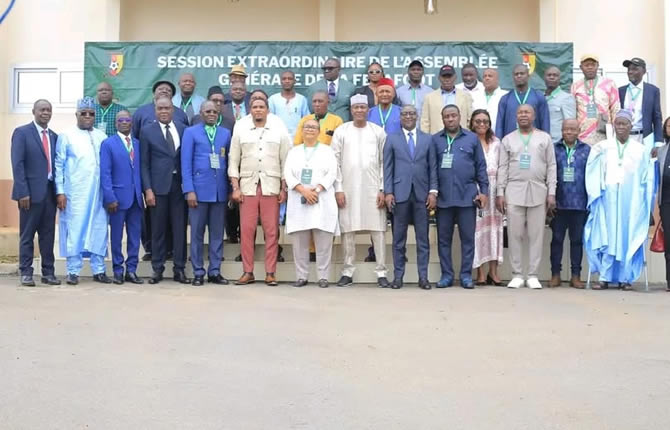
Dans un communiqué rendu public, ils pointent du doigt les conclusions de l’Assemblée générale extraordinaire de la FECAFOOT, tenue le 07 août 2025 à Mbankomo. Selon eux, ces résolutions sont la résultante d’une « forfaiture » engagée depuis l’arrivée de l’actuel exécutif à la tête du football camerounais, qui aurait multiplié des manœuvres jugées sournoises et contraires aux règles.
L’un des points soulevés par les clubs est particulièrement révélateur : les statuts de la FECAFOOT adoptés le 13 juillet 2021 rendaient inéligibles les candidats condamnés à des peines privatives de liberté, même assorties de sursis. Or, cette clause a mystérieusement disparu lors de la révision des statuts en mai 2023. Une modification qui, selon les clubs, visait à « préparer un passage en force » de l’actuel président de la FECAFOOT, en totale contradiction avec l’article 69 du règlement de gouvernance de la FIFA.
Face à cette situation, le gouvernement camerounais a réagi. Dans une correspondance officielle (n°2025-0709 L/MINSEP/SG/DJA) adressée à Aboubakar Alim Konaté, délégué de la Ligue Régionale du Nord, le ministre des Sports et de l’Éducation physique a dénoncé une attitude « antisportive et non éthique » du président de la FECAFOOT, tout en rappelant son inéligibilité pour les prochaines élections. Le gouvernement qualifie même les statuts révisés de 2023 « d’indubitablement illégaux ».
Les clubs professionnels appellent donc la communauté nationale et internationale à se mobiliser face à ces dérives, craignant des conséquences désastreuses sur un football camerounais déjà fragilisé. Ils exhortent l’exécutif de la FECAFOOT à mettre un terme à ces pratiques qui, selon eux, menacent gravement l’avenir de la discipline.
Cameroon Football Crisis: Pro Clubs Slam FECAFOOT for “Institutional Hold-up”
Tensions continue to rise around the Cameroon Football Federation (FECAFOOT). Through their legal counsel, Me Yannick Djemeni, Cameroon’s professional football clubs have strongly denounced what they describe as an “institutional hold-up” orchestrated by the federation’s top management.
In a strongly worded statement, the clubs criticized the outcome of FECAFOOT’s Extraordinary General Assembly held on August 7, 2025, in Mbankomo. According to them, these decisions are the product of a “forfeiture” process that began with the arrival of the current executive, marked by a series of manipulative actions undermining ethical and legal principles.
The clubs specifically highlight the controversial revision of FECAFOOT’s statutes. In July 2021, the statutes made any candidate convicted of a custodial sentence—even suspended—ineligible to run for the Executive Committee. However, this key provision mysteriously disappeared in the revised statutes of May 2023. For the clubs, this was a clear attempt to pave the way for the current president’s re-election, in violation of FIFA’s governance rules.
The Cameroonian government has since weighed in. In an official letter (n°2025-0709 L/MINSEP/SG/DJA) addressed to Aboubakar Alim Konaté, delegate of the Northern Regional League, the Minister of Sports condemned the president’s actions as “unsporting and unethical.” The government also underlined his ineligibility for the upcoming elections, declaring the 2023 revised statutes “undeniably illegal.”
Cameroon’s pro clubs are now urging both national and international stakeholders to take note, warning of disastrous consequences for a football sector already in crisis.
football camerounais, FECAFOOT, clubs professionnels, Yannick Djemeni, Samuel Eto’o, élections FECAFOOT 2025, statuts FECAFOOT, inéligibilité, MINSEP Cameroun, crise football camerounais, FIFA Cameroun
Mouahna Divine
Le calendrier complet de la Can Féminine 2026
Suivez certains matchs en direct grâce à nos partenaires
Articles similaires
 Sport
Sport
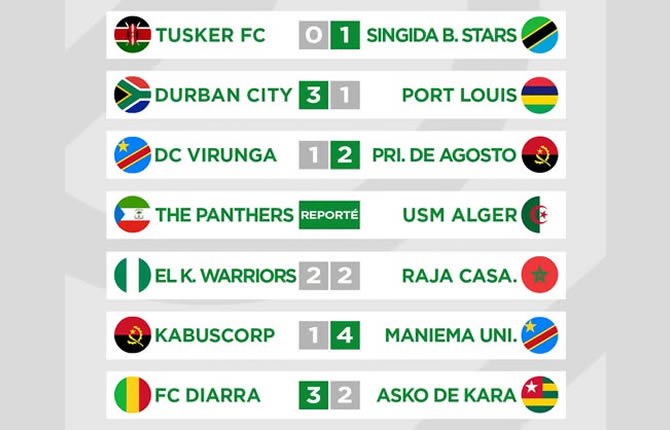
Coupe de la CAF : Maniema écrase Kabuscorp 1-4, le Raja accroché au Nigeria, Durban City et Singida s’imposent… et le choc USM Alger reporté, tous les résultats
Coupe de la CAF, 2e tour préliminaire aller : Kabuscorp 1-4 Maniema, El-Kanemi 2-2 Raja, Diarra 3-2...
 Sport
Sport
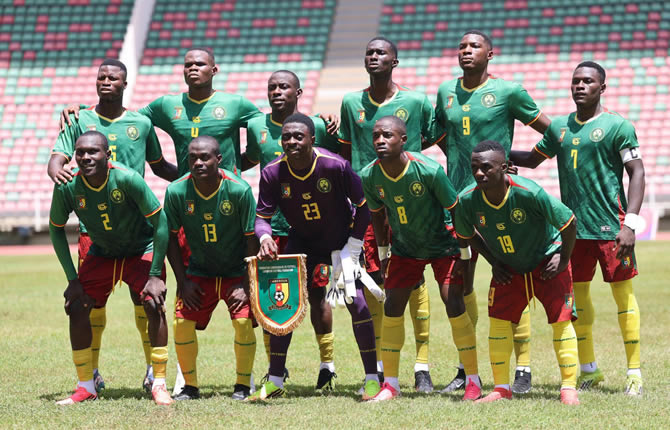
UNIFFAC U20 : Samuel Fonyuy Achu frappe deux fois, le Cameroun défie le Gabon pour la finale
Le Cameroun bat la Centrafrique 2-0 grâce au doublé de Samuel Fonyuy Achu. Les Lionceaux défient le...
 Sport
Sport
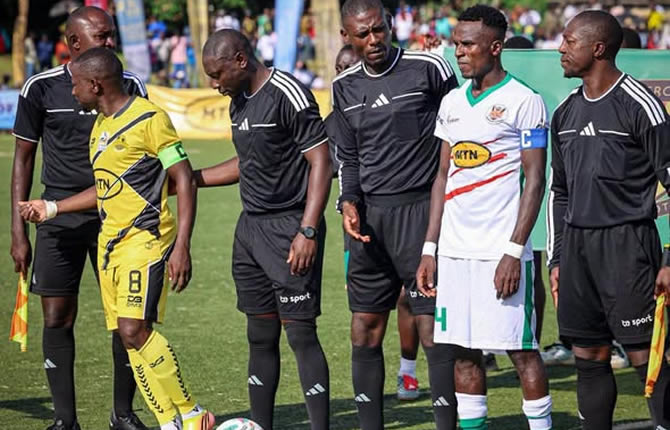
MTN Elite One : le Canon humilie Coton Sport à Garoua, découvrez tous les résultats de la 1re journée
MTN Elite One 2026-2027 : le Canon renverse Coton Sport (2-1), Abong-Mbang arrache le nul et Tabort...
 Sport
Sport
Elite One : 17 heures dans un vieux bus, licences en retard, billetterie contestée… les dessous d'une reprise chaotique
Elite One 2026-2027 : Stade Renard voyage 17 heures en bus, le Canon gagne à Garoua malgré les...
 Sport
Sport
UNIFFAC U20 : la RDC et le Gabon jouent leur destin au tirage au sort, le Tchad éliminé
UNIFFAC U20 : la RDC et le Gabon sont à égalité et attendent un tirage au sort décisif. Le Tchad...
 Sport
Sport
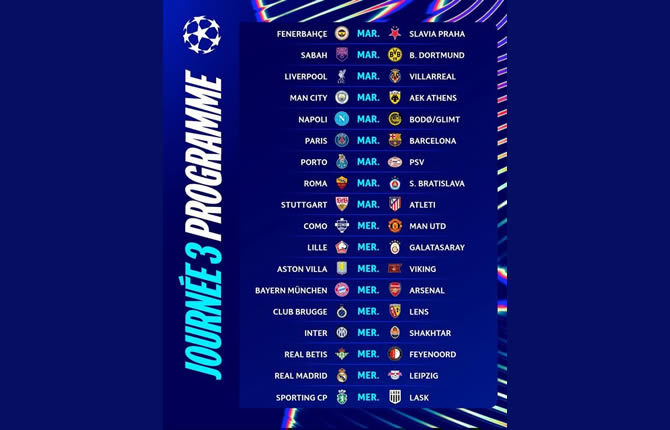
Ligue des champions UEFA : PSG-Barça, Bayern-Arsenal, Real-Leipzig… une 3e journée explosive !
Ligue des champions UEFA : PSG-Barça, Bayern-Arsenal, Real-Leipzig… Découvrez le programme complet...