
L’escalade du conflit au Moyen-Orient risque de provoquer des perturbations commerciales, une instabilité des marchés et une pression accrue sur des économies africaines déjà fragilisées.
Pétrole, inflation, pénuries : L’Afrique sous tension
L’une des menaces les plus immédiates pour le continent est la flambée des prix du pétrole. "De nombreux pays africains dépendent des combustibles fossiles pour leurs industries et leurs transports. Une hausse des coûts énergétiques pourrait déclencher une inflation galopante et des pénuries de carburant", alerte Mustafa Ali, expert en relations internationales. En Afrique subsaharienne, où plusieurs nations peinent encore à se relever des chocs économiques mondiaux, cette nouvelle crise pourrait aggraver une situation déjà précaire.
L’urgence d’une réponse proactive
Face à ce scénario inquiétant, l’analyste économique Cavince Adhere appelle les gouvernements africains à anticiper et à informer leurs populations. "Les États doivent comprendre la dynamique du conflit et son impact local. Un dialogue transparent avec les citoyens est crucial pour les préparer aux éventuelles répercussions", insiste-t-il.
Le spectre d’une fermeture du détroit d’Ormuz
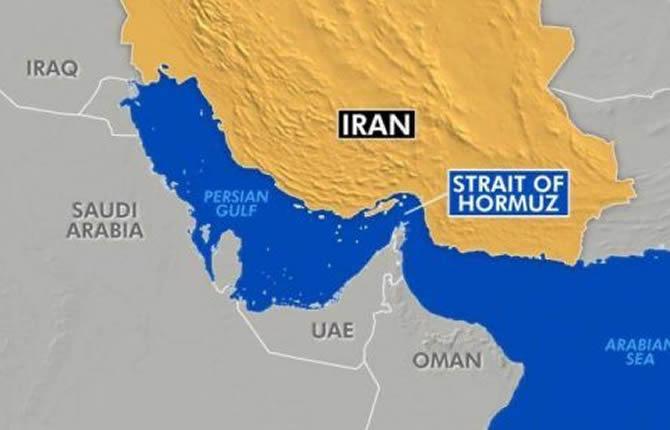
La situation pourrait empirer si l’Iran décidait de bloquer le détroit d’Ormuz, un passage stratégique pour près de 30% des exportations pétrolières mondiales. Le président français Emmanuel Macron a averti que cette mesure "aurait des conséquences massives sur l’économie mondiale", tout en appelant à privilégier la voie diplomatique.
L’Iran sous pression, le TNP en question
Après les frappes américaines sur des sites nucléaires iraniens, plusieurs députés iraniens réclament désormais le retrait de leur pays du Traité de non-prolifération (TNP). Une décision qui, si elle était actée, pourrait encore envenimer la crise géopolitique.
Alors que les tensions montent, l’Afrique doit se préparer au pire. Entre inflation, pénuries et instabilité des marchés, le continent pourrait bien être la prochaine victime collatérale de ce conflit lointain… mais aux répercussions bien réelles.
Conflit Iran-Israël, Afrique, crise économique, prix du pétrole, inflation, pénurie carburant, détroit d’Ormuz, TNP, États-Unis, frappes nucléaires, instabilité marché, analyse géopolitique
Iran-Israel Conflict: Africa Faces Major Economic Threat!
As strikes intensify between Iran and Israel, with US involvement, Africa—though geographically distant from the conflict—could face severe economic consequences. According to an analysis by Africanews, the escalating Middle East crisis risks disrupting trade, destabilizing markets, and increasing pressure on already fragile African economies.
Oil, Inflation, Shortages: Africa Under Pressure
One of the most immediate threats is soaring oil prices. "Many African countries rely on fossil fuels for industries and transportation. Rising energy costs could trigger runaway inflation and fuel shortages," warns Mustafa Ali, an international relations expert. In sub-Saharan Africa, where several nations are still recovering from global economic shocks, this new crisis could worsen an already precarious situation.
The Need for Proactive Measures
Faced with this alarming scenario, economic analyst Cavince Adhere urges African governments to act preemptively and inform their citizens. "States must understand the conflict’s dynamics and its local impact. Transparent communication with the public is crucial to prepare them for potential fallout," he insists.
The Threat of a Strait of Hormuz Closure
The situation could deteriorate further if Iran decides to block the Strait of Hormuz, a critical passage for nearly 30% of global oil exports. French President Emmanuel Macron warned that such a move "would have massive consequences for the world economy," while urging diplomatic solutions.
Iran Under Pressure, NPT in Question
Following US strikes on Iranian nuclear sites, several Iranian lawmakers are now calling for their country’s withdrawal from the Nuclear Non-Proliferation Treaty (NPT)—a decision that, if taken, could escalate the geopolitical crisis further.
As tensions rise, Africa must brace for impact. Between inflation, shortages, and market instability, the continent could become the next collateral victim of this distant yet deeply consequential conflict.
Iran-Israel conflict, Africa, economic crisis, oil prices, inflation, fuel shortage, Strait of Hormuz, NPT, United States, nuclear strikes, market instability, geopolitical analysis
Ange NGO
Le calendrier complet de la Can Féminine 2026
Suivez certains matchs en direct grâce à nos partenaires
Articles similaires
 Société
Menace sur l’Europe : après les avions, ils visent métros, trains et croisières, la télévision irlandaise évacuée
Un courriel intitulé « Message à l’Occident » menace l’Europe d’une nouvelle vague d’attaques....
 Société
Nigeria : l’armée dément toute trêve avec Boko Haram et annonce une offensive renforcée
L’armée nigériane dément tout accord de trêve de trois mois avec Boko Haram, malgré les...
 Société
Iran abat un drone américain MQ-9 au-dessus de Qeshm : explosions, négociations floues et menaces de frappe US le 9 novembre
L’Iran revendique la destruction d’un drone US MQ-9 au-dessus de Qeshm. Trump parle encore avec...
 Société
L’héritier Rockefeller s’éteint à 89 ans : le dernier géant d’une dynastie pétrolière qui a marqué l’Amérique
John D. Rockefeller IV, arrière-petit-fils du fondateur de Standard Oil et ancien sénateur...
 Société
Cameroun : 140,6 milliards de FCFA engloutis dans les entreprises, contre 15 milliards prévus au budget
Le Cameroun a ordonnancé 140,6 milliards de FCFA pour les entreprises en 2025, contre 15 milliards...
 Société
Nuit noire sur l’Iran ? Washington étudie une reprise des frappes le 9 novembre sous la nouvelle lune
Fox News révèle : les États-Unis envisagent de relancer les hostilités contre l’Iran dès le 9...